An editorial blog about the all-night counter
Waffle House culture, plate by plate
What actually shows up on the plate, how the counter works, why hashbrowns have their own vocabulary, and what changes when you cross a state line.
What this blog actually covers
Editorial work sits in four places, and every one of them starts from the printed menu rather than from a star score: menu guides that explain how individual items fit together, diner-culture writing about counter seating and late-night service, regional notes on how locations differ by store and state, and breakfast-staple pieces on eggs, grits, toast, and the meats that anchor a combo plate.
We are based at 1831 8th Ave, Seattle, WA 98101, and our interest in this chain is not local. Waffle House is a Southern-rooted roadside format that travelers from every region end up comparing notes about, and the questions people ask are remarkably consistent.
Four beats we keep returning to
- Menu guides How the All-Star Special is built, what each side adds, and where the newer protein-forward plates sit next to the classics.
- Diner culture Counter seating, callbacks between cook and server, and how the room behaves at 7 a.m. versus midnight.
- Regional notes Store-level hours, phone numbers, and the assumptions travelers get wrong before a long drive.
- Breakfast staples Eggs, grits, raisin toast, and the meats that turn a short order into a full plate.
We are not a review aggregator and we do not publish ratings. We read the menu materials the chain publishes, we look at what live location pages list for a given store, and we write about the format as a diner experience rather than as a brand endorsement.
The dining-room vocabulary
The hashbrown modifiers, explained
This is the single most useful piece of menu literacy a first-time visitor can pick up, because it lets you order exactly what you want without holding up the line.
The add-on words follow in the order you say them, so smothered and covered is a different plate from covered and smothered only in the telling; the kitchen stacks them as they land. Our hashbrown guide walks through each modifier one at a time and explains what it does to the finished plate. It also covers what happens when you ask for two or three of them at once, which experienced diners do more often than you would expect.
Start here
The All-Star Special is the whole menu in one plate
Eggs, a breakfast meat, toast, hashbrowns, and a waffle on one order. It bundles the components people argue about separately, which is why understanding it teaches you how the rest of the menu is organized.
Counter seating is the real format
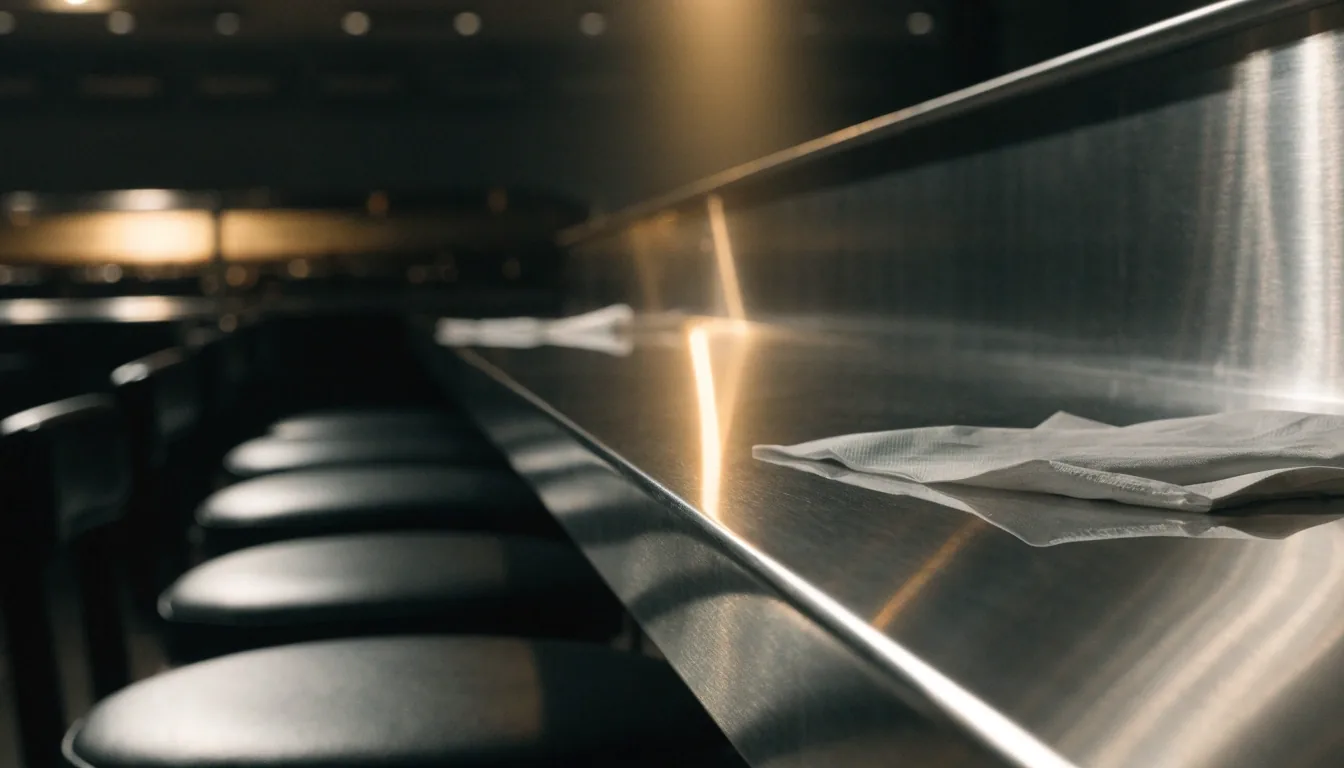
Booths are fine. The counter is the point. Sitting at the counter puts you within arm's reach of the griddle, which means you watch your eggs go down, you see the waffle iron open, and you hear the callbacks between the cook and the servers. It compresses the whole service model into about ten feet.
That proximity also makes the meal faster and more conversational. Solo diners get a seat without occupying a four-top, and staff can check on you without a full table visit. Our diner culture section goes deeper on this, including why the counter behaves differently at 7 a.m. than it does at midnight, and how a store's layout hints at its volume.
Late night, storms, and the road-trip stop
A diner that serves breakfast around the clock functions as a fixed point when everything else on an exit is closed. That reliability is a bigger part of the appeal than any single dish.
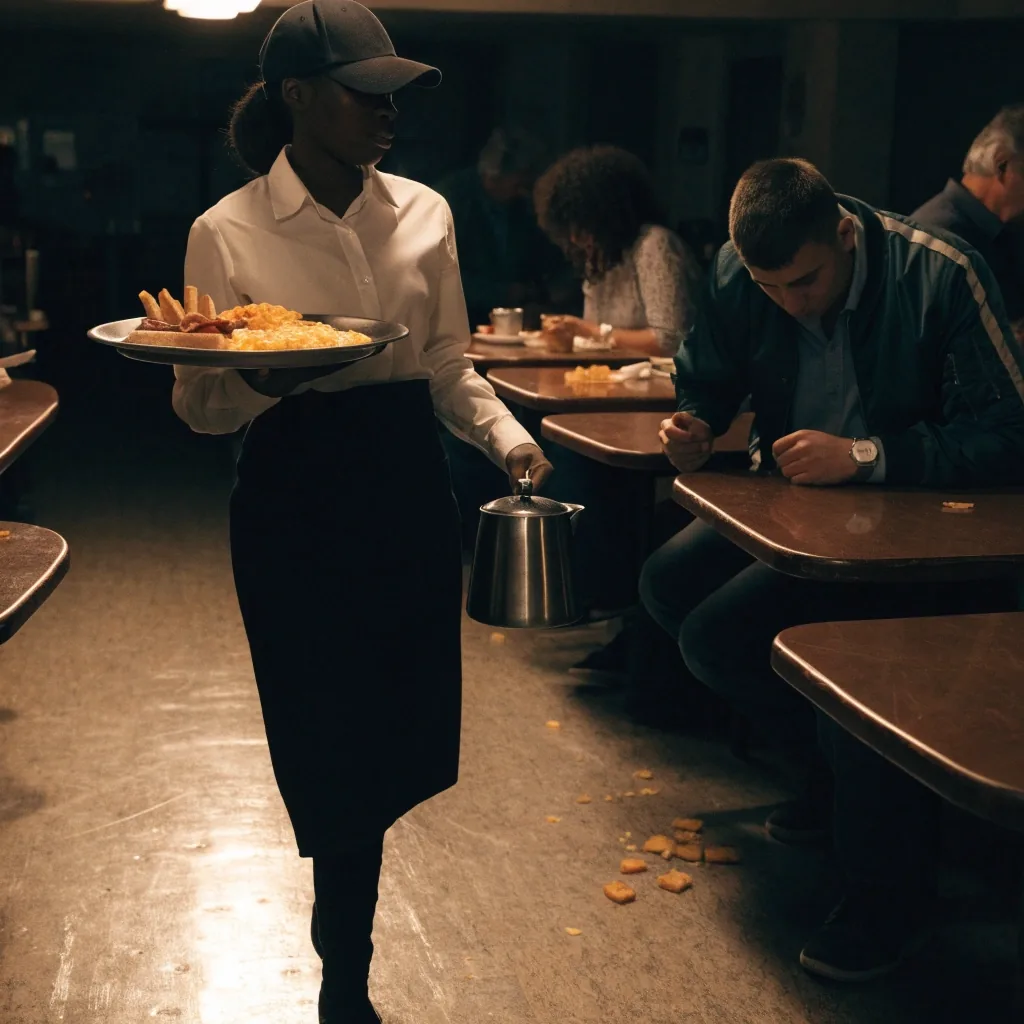
We cover the overnight shift honestly, without turning it into mythology: how a store keeps a full breakfast menu available across the night, what the seating mix looks like at 3 a.m., and why the coffee refill rhythm changes after midnight.
Pulling off an interstate at 2 a.m. and ordering eggs you did not plan on is the experience most readers come here from. We write about the operational side of it instead of the folklore, because the interesting questions are practical ones: whether a grill can hold a breakfast menu through a shift, and what the room actually looks like when the rest of the exit is dark.
Regional notes and store-level reality
Not every location runs the same hours. The company publishes a separate page for each store carrying its address, phone number, and daily hours, and those pages are updated dynamically. The timestamps on them are the closest thing to a current status report you can get without calling ahead.
What to verify before a long drive
Our regional notes page explains how to use those listings, what typically varies between stores and states, and which assumptions travelers get wrong. If you are planning a stop on a long drive, that page is the one to read before the menu pages.
How we handle menu changes
Menus move. Items get added, nutrition and allergen documents get revised, and wording on location pages shifts. When we describe an item, we describe what the published materials currently list rather than what a given store might have run as a special last spring.
We date our substantive updates and we correct errors when readers send them in. If you spot something that no longer matches what a location is serving, the contact page is the fastest route, and corrections get folded into the article rather than parked at the bottom as a footnote nobody reads.
What we don't do
- We do not sell food, take orders, or run delivery for any location.
- We are not affiliated with the chain and we publish no promo codes.
- We do not publish ratings, star scores, or invented customer quotes.
- We make no claims about which location is the best in a state.
What we do publish is explanatory writing grounded in published menu materials and store-level pages. If a claim cannot be checked against something the company lists, it does not go on the site.
Reading order for a first visit
- 1 Menu guides hubStart with how the plates are built and what the All-Star Special bundles together.
- 2 The hashbrowns pieceRead the modifier list once and you can order without guessing for the rest of your life.
- 3 Breakfast staplesEggs, grits, raisin toast, and the sides that round out a short order.
- 4 Regional notesFinish here if you are traveling, so you know what to verify before you leave.
That path takes about twenty minutes and covers everything a first-timer gets wrong. Regulars can skip to regional notes and the culture section, which is where the more interesting material sits once the menu stops being a mystery.
For readers who already know the menu
There is a version of this site for people who order the same plate every time and want something new to notice. That is mostly the culture and regional writing: how counter service changes by shift, what a store's layout tells you about its volume, and how the same combo plate reads differently in a Georgia store than it does in one off a highway in the Midwest.
We write those pieces for people who have eaten at the counter fifty times, not for people deciding whether to try it.
Questions we get most
Short answers, each one checkable against what the chain currently publishes.
Are Waffle House locations really open 24 hours?
Many are, and the company publishes a separate page for each store listing its address, phone number, and daily hours. Hours vary by location, so the store page is the right place to confirm before a late-night drive.
What does scattered, smothered, and covered mean?
Scattered means the hashbrowns are spread across the griddle instead of pressed into a cake. Smothered adds onions and covered adds cheese. Chunked adds diced ham, and the modifiers can be combined.
What is in an All-Star Special?
It is a combo breakfast built from eggs, a breakfast meat, toast, hashbrowns, and a waffle. It is the clearest single illustration of how the menu is organized.
Which items are the most filling?
Larger plates built around grilled chicken and eggs, such as Meat Lover's Chicken & Eggs, are the heavier end of the menu. The Fiesta Protein Bowl is a bowl-format option listed in the chain's nutrition materials.
One plate, read close
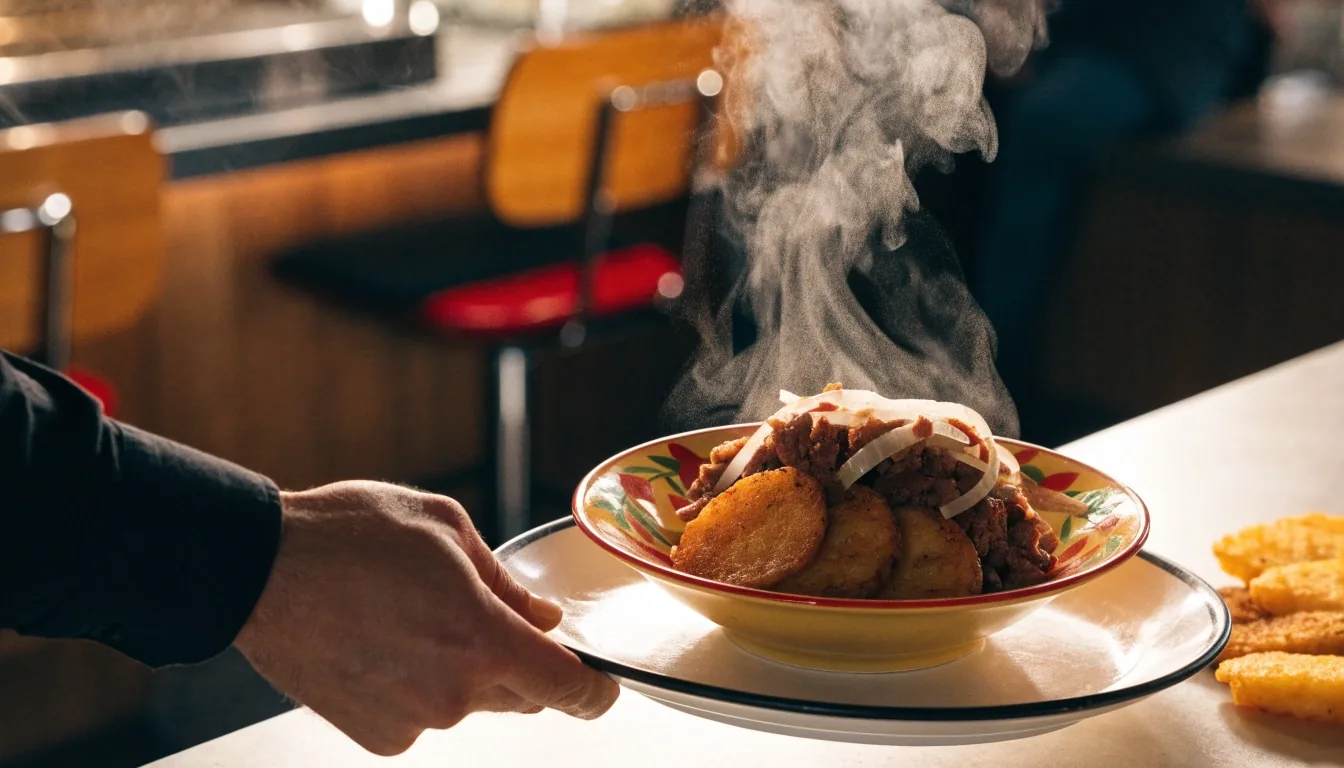
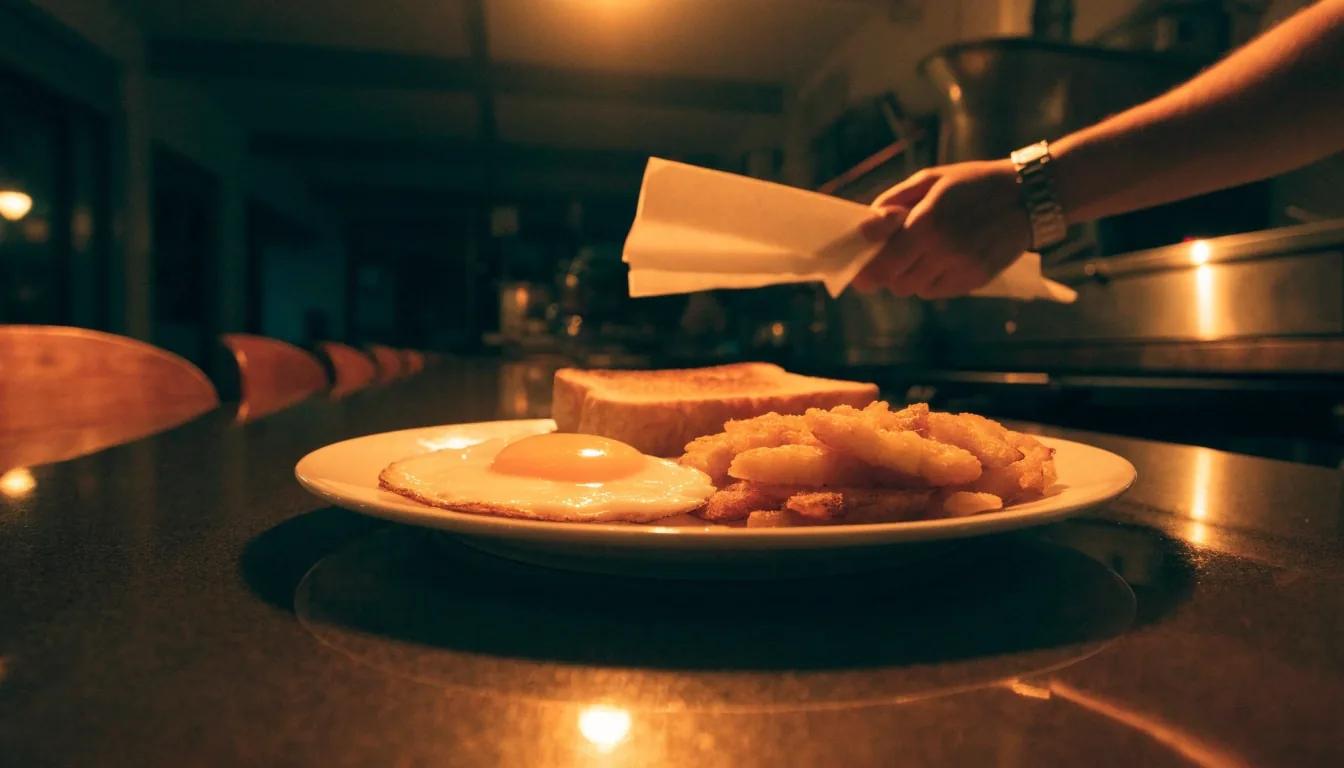
A breakfast order just landed: eggs, hashbrowns, and toast on the side. Looking at it closely is how you learn the plate's geography, and it explains why regulars order the way they do rather than working down a list.
From there the guides branch into waffle variants, including the blueberry waffle the company highlights on its own homepage, and the newer protein-forward items that sit alongside the classics. We treat each item on its own terms instead of stacking them into a single ranking of what to order.
Where to go next
If you read one thing here, make it the menu guides hub and the hashbrown piece. Together they answer the questions people actually type before a visit, and they set up everything else on the site.
Reach the blog
- Address: 1831 8th Ave, Seattle, WA 98101, USA
- Phone: +12063811789
- Email: info@mupfex.delivery
- Hours: Monday–Friday, 9:00 AM – 6:00 PM
Corrections, store-page updates, and questions about the guides all land in the same inbox. We read everything and reply during weekday hours.